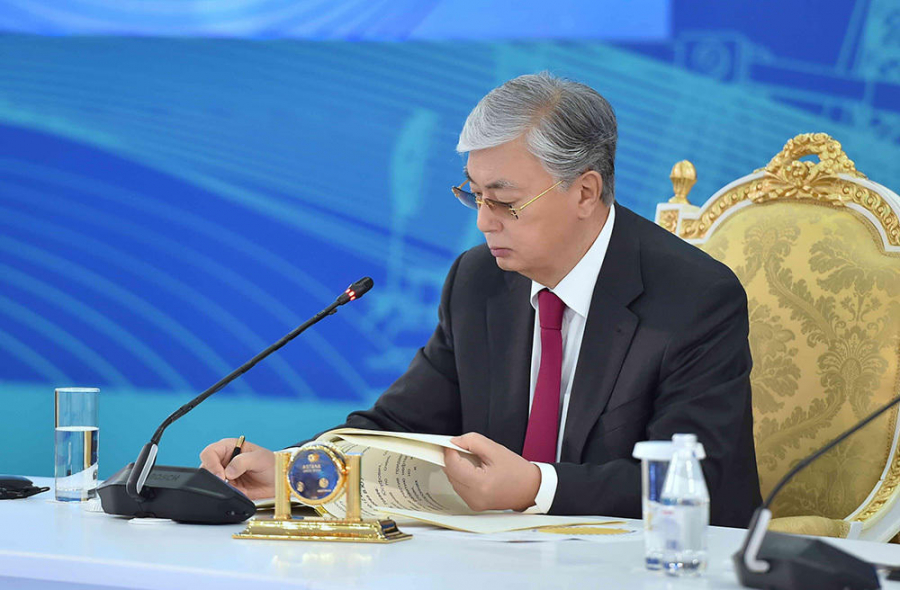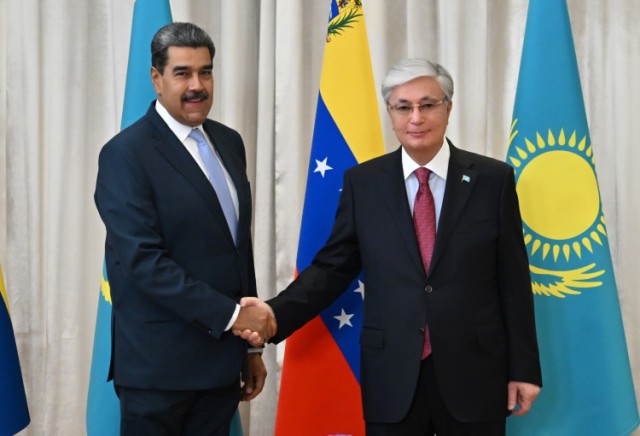



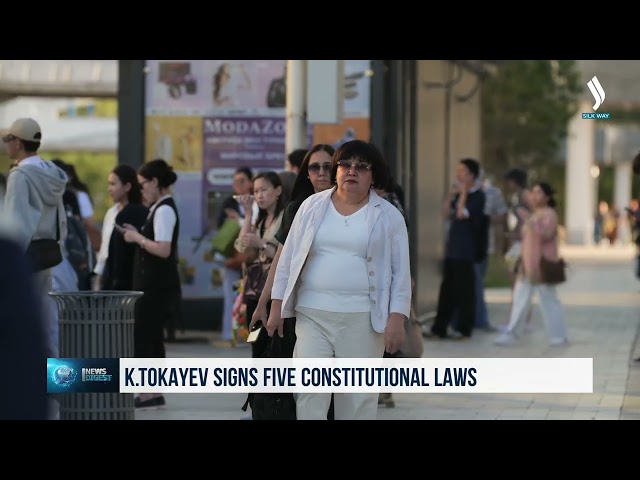
President Kassym-Jomart Tokayev
signed five constitutional laws that enshrine the provisions of the new
Constitution adopted at the nationwide referendum on March 15. One of the key
laws, «On the President of the Republic of Kazakhstan», states that the Head of
State serves as the guarantor of the unity of the people and state power, the
inviolability of the Constitution, as well as the rights and freedoms of
citizens. The President defines the main directions of state policy, oversees
the work of state bodies, and represents the country both domestically and
abroad. Additionally, the law introduces the position of the Vice President.
The President also signed a
constitutional law providing for the establishment of the Kurultai, a supreme
representative body that exercises legislative authority in the country. It
consists of 145 deputies elected through party lists for a five-year term. The
law defines a broad range of powers for the Kurultai. Deputies will give
consent to the appointment of the Vice President, the Prime Minister, judges of
the Constitutional Court, members of the Central Election Commission, and the
Supreme Audit Chamber. The Kurultai also calls presidential elections and
approves reports on the execution of the national budget.
The status and powers of the Khalyk
Kenesi are defined by
another constitutional law signed by the Head of State. The new body will
represent the interests of Kazakhstan’s citizens in shaping public policy. The Khalyk
Kenesi may develop proposals on key areas of domestic policy and submit them
for consideration to the Kurultai, as well as initiate the holding of a
nationwide referendum.
«Previously, public institutions mainly focused on developing recommendations, organizing public dialogue platforms, and putting forward expert proposals. Now, however, there is an opportunity to provide expert support throughout the entire process of an initiative – from its inception to the adoption of a decision that can subsequently be submitted to the Kurultai. The key issue now is implementation. Success depends on both the quantity and quality of the initiatives put forward. I believe we have created a strong platform that can further contribute to the development of our state,» political scientist Boris Polomarchuk noted.
In addition,
constitutional laws «On the Status of the Capital» and «On
Administrative-Territorial Structure» were signed. One of the documents defines
the functioning and development of Astana, while the other regulates issues of
territorial administration.

Related Articles