

Countries of Central Asia and China are set to
strengthen their partnership to ensure regional security. The interior and
public security ministers from five countries, including China, the Kyrgyz
Republic, Tajikistan, Turkmenistan, and Uzbekistan, arrived in Astana to take
part in the second meeting of the relevant agencies in the Central Asia-China
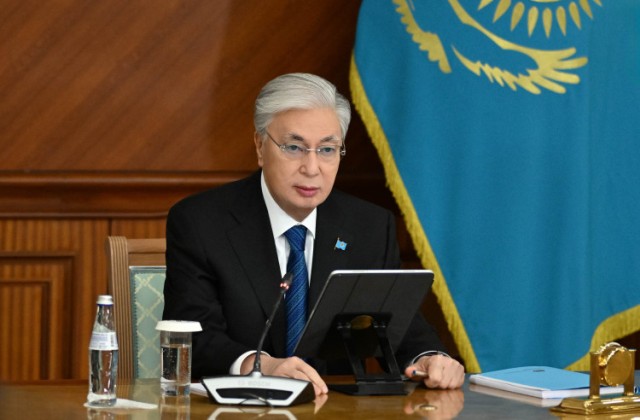
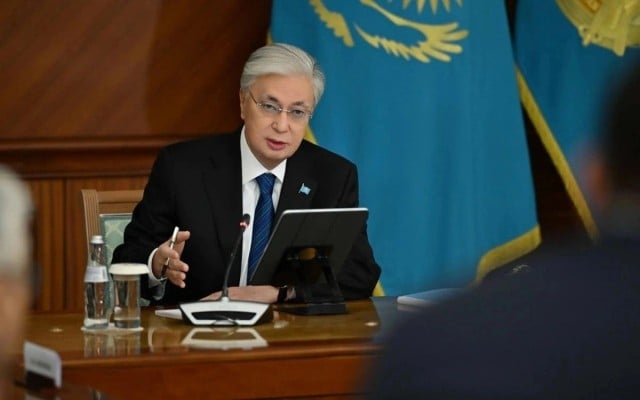
format. Prior to the meeting, they were received by President Kassym-Jomart
Tokayev. The parties discussed cooperation in combating transnational crime,
cyber threats, and extremism. The Head of State emphasized that strengthening
cooperation between law enforcement agencies of the regional countries and
China is more important than ever. He noted that Central Asia, located at the
crossroads of major transport and trade routes, remains an area of increased
attention for transnational criminal networks.
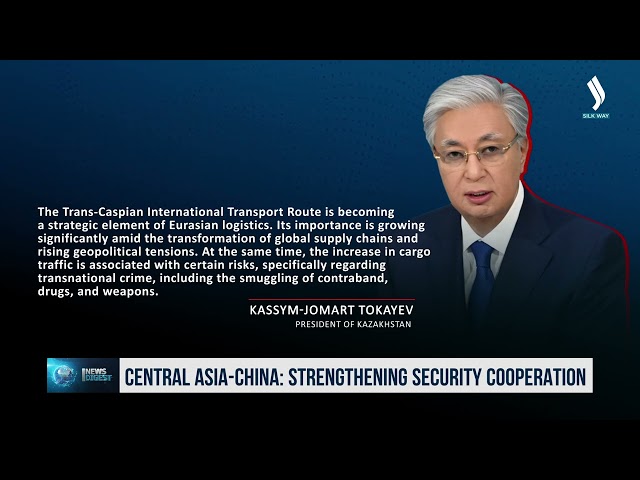
«The Trans-Caspian International Transport Route is
becoming a strategic element of Eurasian logistics. Its importance is growing
significantly amid the transformation of global supply chains and rising
geopolitical tensions. At the same time, the increase in cargo traffic is
associated with certain risks, specifically regarding transnational crime,
including the smuggling of contraband, drugs, and weapons,» President Tokayev noted.
The best way to preserve stability in the region, the Head of State noted, is through active cooperation between law enforcement agencies. In this regard, it is important to coordinate efforts, exchange best practices, and develop joint solutions. Among the key priorities, Kassym-Jomart Tokayev highlighted the need to block the financial flows of transnational criminal groups. Greater efforts are also needed to curb the spread of extremist ideologies, prevent online recruitment into terrorist organizations, and counter cyber threats. Participants of the meeting reaffirmed their intention to expand practical cooperation, strengthen the exchange of operational information, develop professional ties, and introduce modern technologies into law enforcement activities.

Related Articles