


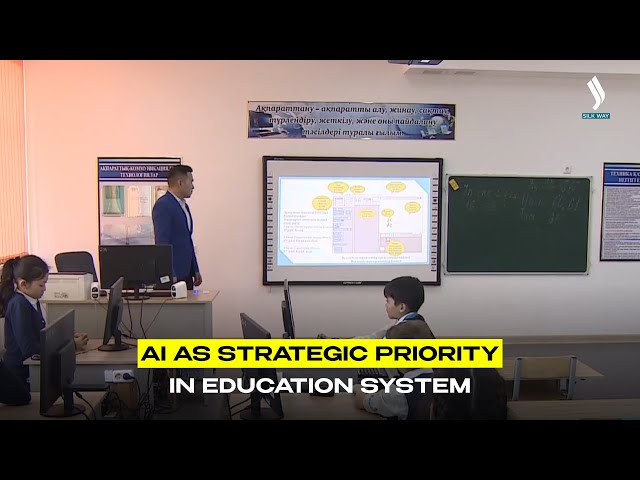
Understanding how neural networks operate is critically important for preparing school students for the future labor market. According to Istanbul Technical University academic Ibraheem Shayea, maintaining competitiveness in the era of digitalization requires future professionals to have in-depth knowledge of how technologies are structured. Therefore, AI education should include a comprehensive study of AI mechanisms, as well as adherence to ethical standards and safety measures. The expert emphasized that the government, universities, schools, and industry specialists need to work together in this area.
«We have to involve this technology and also courses related to artificial intelligence in the schools that enable them to learn in the right way and to understand the technology deeply. It is not just only to enable them to utilize some specific tools, but we have to consider the courses that enable them to understand how these tools work, how is the algorithm that behind these tools that we are utilizing operate,» Shayea said.
The integration of artificial intelligence into the secondary education system could allow teachers to save up to 10-15 hours per week. Neural networks can automate lesson planning, assignment grading, and the creation of learning materials. In many countries, AI already serves as a digital assistant rather than a replacement for teachers. AI expert and ISSAI Deputy Director of Product and External Affairs Amina Baikenova notes that a key condition for the successful implementation of AI is improving digital literacy among both educators and schools.
«Educational courses should be developed in close
cooperation with teachers. Most importantly, it depends on the level of digital
maturity within schools. For AI to be effectively integrated, both teachers and
school principals need to clearly understand what artificial intelligence is,
why it is needed, and how it works,» Baikenova said.

Related Articles