


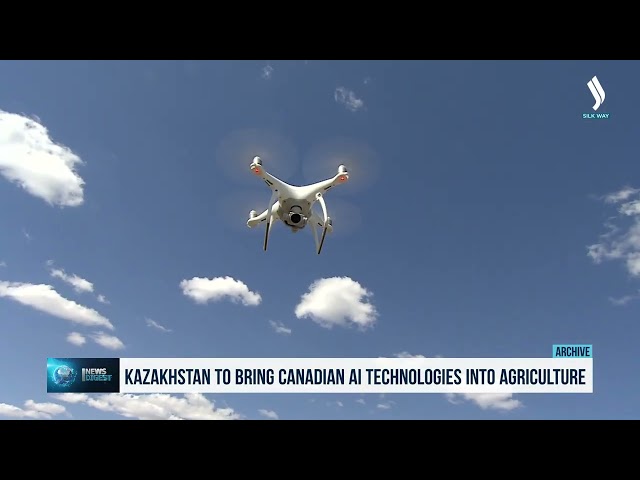
The development of artificial intelligence and digital agriculture could significantly transform Kazakhstan’s agricultural sector in the coming years. A number of technologies are already in use in the country. For example, with the help of AI and satellite monitoring, farmers can track field conditions in real time. If a plot shows signs of moisture deficiency or plant disease, the system automatically sends alerts. This enables timely responses and helps preserve the harvest. Another example is smart irrigation. Soil sensors and weather forecasts help determine precisely when and how much water is needed. This is especially important in Kazakhstan’s arid regions. Agricultural drones are also used to survey large cultivated areas. Kazakhstan can accelerate the adoption and expansion of AI technologies through cooperation with Canada. Experts believe that sharing experience and the large-scale implementation of digital solutions will improve sector efficiency.
«One of the things that we
do in Canada is we have a large agronomy practice and technology that we use
that farmers would use to map their fields and understand the fertility of
their fields and then apply variable rate in terms of what they put on their
fields for fertilizer or whether it’s crop protection. We think those are
probably the two most practical places to start. And our visit here really gave
us a good understanding of how we can take our technology and our learnings
from Canada and apply them here in Kazakhstan,» said
Chris Terris, SVP & President of TELUS Agriculture & Consumer Goods.

Related Articles