

A new Constitution comes into force in Kazakhstan on
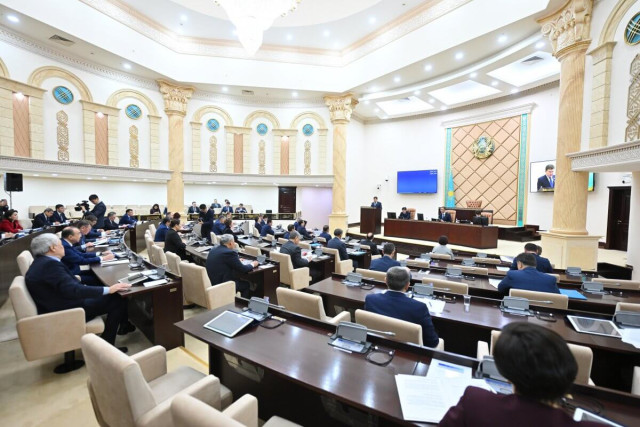
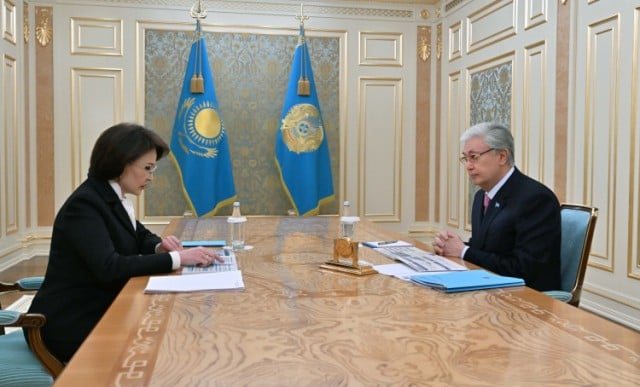
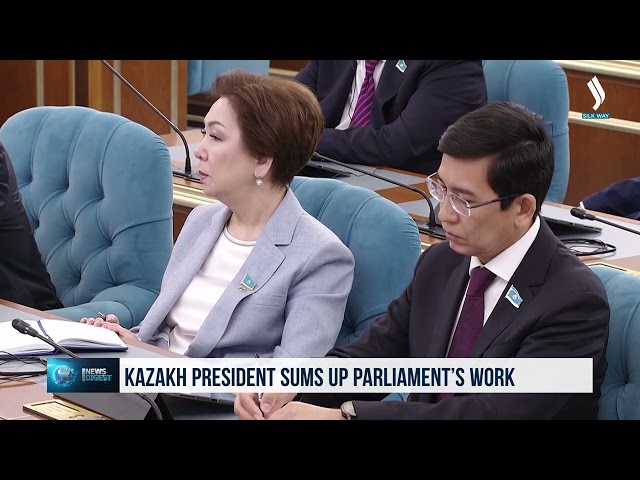
July 1. At a joint session of both chambers of Parliament, President
Kassym-Jomart Tokayev said that, alongside the country’s Basic Law, the system
of state governance would also be reformed, with the bicameral Parliament set
to be replaced by a unicameral Kurultai. He noted that Kazakhstan’s first
professional Parliament was established 30 years ago. Since then, around 3,500
laws have been adopted, with one in every ten initiated by members of Parliament.
President Tokayev also expressed his gratitude to members of the Mazhilis and
Senate from all convocations for their contribution to Kazakhstan’s development
and their dedicated service to the nation.
«Following the adoption of the Basic Law through a
nationwide referendum, you managed to bring the country’s legal system into
line with the new constitutional realities in a timely and effective manner. In
particular, Parliament promptly drafted and adopted nine legislative packages,
including six constitutional laws,» Tokayev said.
The Head of State outlined the country’s key areas for
future development. The President identified shaping the architecture of state
governance as one of the top priorities. Another key objective will be the
transition to a new economic model, which will require modern approaches and
new ways of working. Other priorities highlighted by the President include
strengthening Kazakhstan’s energy, engineering, and transport and logistics
infrastructure, as well as building a fully digital state and developing human
capital.
«The Kurultai, which will become the country’s
highest legislative body, is set to ensure seamless continuity across all key
areas of its work, preserving a strong institutional memory and carefully
fostering its unique parliamentary culture. I am confident that, by carrying
out its responsible legislative mission with honor, the Kurultai will make
every effort to promote the enduring principles of Law and Order, Diligence and
Progress, as well as Cleanliness and Environmental Stewardship in our society,»
Tokayev added.
Related Articles