


For Kazakhstan’s first nuclear power plant, the main design solutions have already been determined. The station near Lake Balkhash is planned to be built based on the AES-2006 design, featuring two power units with VVER-1200 reactors. The National Nuclear Center notes that this technology belongs to Generation III+, with an enhanced safety level. The reactor is equipped with active and passive safety systems, a double containment structure, and a core catcher in case of a severe accident.
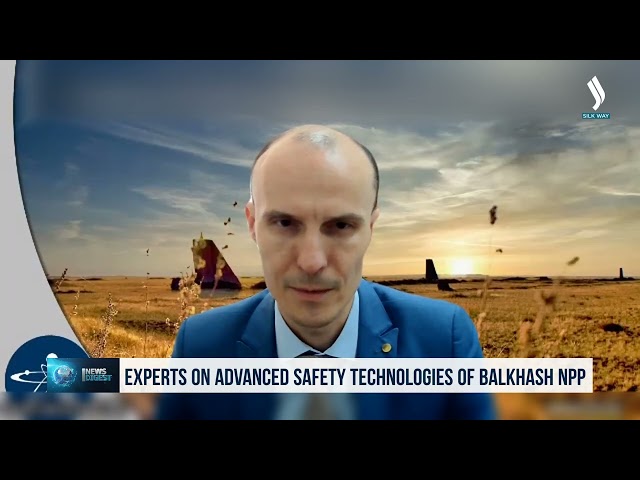
«This is a Generation III+ reactor that embodies the latest advancements in nuclear engineering. It incorporates the entire operational experience of the VVER line and is equipped with all the necessary safety systems. The reactor also fully complies with post-Fukushima requirements and safety standards,» said Denis Zarva, Deputy Chief Engineer at the National Nuclear Center of Kazakhstan.
«Modern nuclear power plants have no environmental impact, as they represent next-generation technology — Generation III+ reactors. There is a containment structure in place, and protection starts with the nuclear fuel itself, which has several safety barriers. The safety level is so high that even a minor seismic shift automatically shuts down the reactor. After scheduled maintenance, it resumes operation,» said Asuan Siyabekov, Lead Engineer of the Energy Group at KNPP LLP.
Meanwhile, construction of the nuclear power plant
will provide jobs for around 10,000 Kazakh citizens. This refers only to the
first phase, which includes engineering surveys and will take about two years.
Specialists say the key task at this stage is to thoroughly study the natural
and climatic features of the site to ensure a high level of safety both during
construction and throughout the plant’s operation. This will be followed by the
design phase of the nuclear power plant, which is also expected to take about
two years. Only after that will construction begin. Once the plant is
commissioned, around 2,000 permanent jobs will be created. According to experts, completion is planned for 2034.

Related Articles