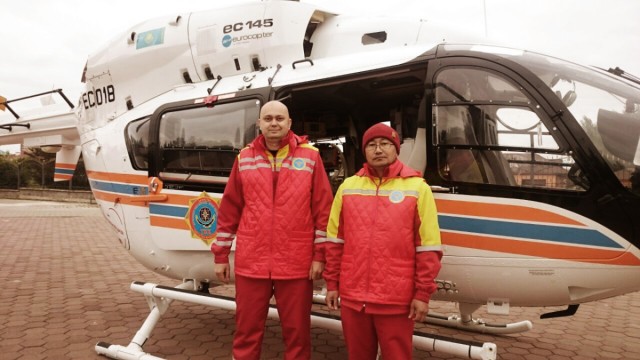


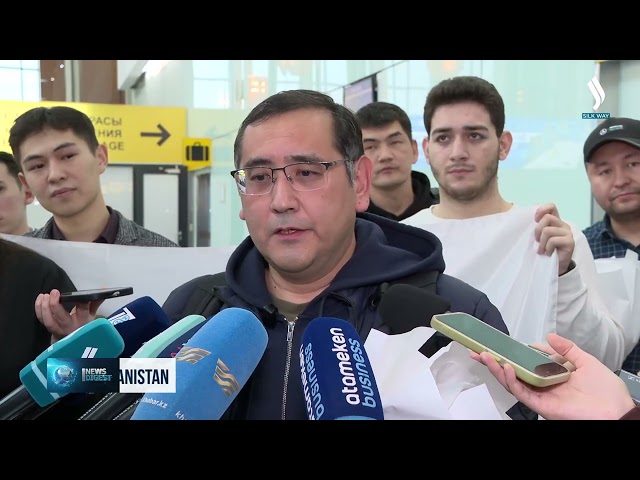
Kazakh doctors who took part in the humanitarian mission in Afghanistan have returned to Astana. At the capital’s airport, they were warmly greeted by colleagues, family members, and journalists. For 10 days, the country’s medical specialists provided assistance to those injured in the powerful earthquake that struck in early November. At that time, President Kassym-Jomart Tokayev instructed that a team of top doctors from three medical centers be dispatched. The team included 15 specialists: trauma and orthopedic surgeons, neurosurgeons, anesthesiologists-resuscitators, surgeons, emergency physicians, and urologists. During their time in the disaster zone, they performed more than 40 complex surgeries and helped over 100 patients. The Kazakh medical team used their own equipment and instruments and also trained local colleagues. In addition, 18 tonnes of humanitarian aid, including medicines, tents, and other essential supplies, were sent to Afghanistan.
«We brought our most essential instruments with us, including the Ilizarov apparatus, and using this device we performed many surgeries to address the numerous post-injury complications and infections. We also trained our colleagues, and we now have agreements regarding the training of Afghan specialists - we are inviting them to Kazakhstan,» noted Olzhas Bekarissov, Director, Batpenov National Scientific Center of Traumatology and Orthopedics.
The youngest specialist in the medical team was a urologist from the National Coordination Center for emergency medicine. Rustam Salimov shared his experience - under resource-limited conditions, he independently performed a highly complex operation: a nephrectomy.
«First and foremost, we had to deal with injuries of
the urinary system. We mainly provided emergency and surgical care. The primary
challenge was the shortage of essential equipment and instruments. In such
conditions, we had to work in extreme situations, where the lack of certain
tools forced us to find alternative solutions when treating patients,» said Rustam Salimov, urologist at the National Coordination Center for Emergency
Medicine.

Related Articles